Qualified Domestic Trust Regulations Under Section 2056A Revised by IRS
The IRS published final regulations on July 10, 2026, revising the Qualified Domestic Trust rules under Section 2056A to eliminate outdated references and modernize filing procedures. CPA firms with clients who have noncitizen spouses in estate plans need to review open files now. Here is what…
On July 10, 2026, the IRS and Treasury finalized amendments to the qualified domestic trust regulations under Section 2056A — the rules governing how U.S. estates can defer federal estate tax when a surviving spouse is not a U.S. citizen. The final rule (FR Doc. 2026-13925) updates cross-references, removes obsolete transition-period language, and modernizes procedural requirements that had not been touched since the original 1990s regulations.
For most CPA firms, this is not a seismic shift — the core QDOT mechanics remain intact. But if your practice serves high-net-worth families with a noncitizen spouse, or if you prepare estate returns (Form 706) or annual QDOT reporting (Form 706-QDT), the procedural changes require a quick file review before you close any open estate matters. Missing an updated procedure on an active QDOT election could expose your client to immediate estate tax liability. A working knowledge of the updated qualified domestic trust regulations is now essential for any CPA firm serving high-net-worth families with a noncitizen spouse.
Below is a plain-language breakdown of what changed, which client segments are affected, and a concrete action list for this week. Understanding where the qualified domestic trust regulations changed — and where they stayed the same — will help you prioritize which client files need immediate attention.
What the Final Rule Actually Changes
The IRS characterized these amendments as housekeeping, but several updates have direct procedural consequences. First, the regulations remove references to transitional rules that applied only to estates of decedents who died before the Omnibus Budget Reconciliation Act of 1993 took effect — language that has been dead letter for over 30 years but created confusion in drafting and compliance checks. While the IRS framed the revisions as routine housekeeping, practitioners who work closely with the qualified domestic trust regulations will recognize that even procedural tweaks can alter filing workflows in meaningful ways.
Second, the final rule updates cross-references to match current IRS forms and instructions, including revised citations to Treasury Regulation sections and updated pointers to IRS guidance on QDOT trustee qualifications under 26 U.S.C. § 2056A. Any firm-drafted QDOT checklist or engagement template that hard-codes the old regulatory citations will now point to stale authority. For firms evaluating their qualified domestic trust regulations approach, this trade-off compounds over time.
Third, the rule clarifies the annual reporting and withholding procedures for domestic trusts with noncitizen surviving spouses, aligning the text with current IRS e-filing infrastructure. Practitioners who rely on the IRS Form 706-QDT instructions should confirm their software and workflow reflect the updated citation framework. For the full text, consult other tax news resources on recent regulatory changes affecting estate and trust practice. Each of these factors directly shapes how qualified domestic trust regulations plays out in practice.
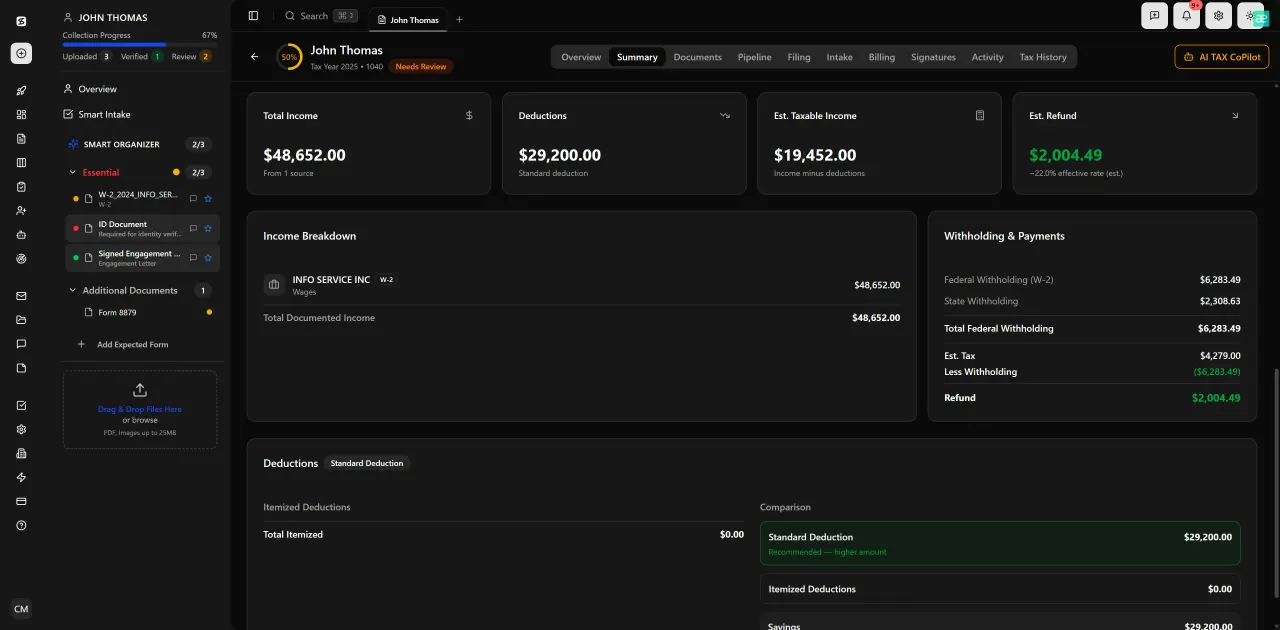
Review with AI assist — 9 agents answer questions with full client context
Which Client Segments and Filing Types Are Affected
Tired of manual workflows slowing your firm down? See how TaxScout handles this with AI-powered automation. → Book a 15-Min Demo Understanding qualified domestic trust regulations in this context is what separates firms that scale from those that stall.
This rule is narrow in scope but concentrated in impact. The client segments most directly affected are: This is precisely where a deliberate qualified domestic trust regulations strategy pays off.
Estates with a noncitizen surviving spouse (Form 706 filers). Any estate for which the executor made or is considering a QDOT election on Schedule M of Form 706 falls squarely within the amended regulations. The election mechanics have not changed, but the regulatory authority you cite in your workpapers now points to the revised rule.
Active QDOT trusts filing Form 706-QDT. Trustees of existing QDOTs file Form 706-QDT annually and upon taxable distributions. The updated procedural language affects how those obligations are documented, particularly for trusts funded before 1994 that may have relied on transition-period provisions.
1040 filers are generally not affected. Individual income tax returns do not trigger QDOT reporting requirements. Similarly, S-corporations, partnerships, and nonprofits have no direct exposure to Section 2056A — unless the entity is a trustee of a QDOT (rare but possible for corporate trustees).
Multi-state estate clients. If a QDOT holds real property in states with separate estate tax regimes — New York, for example, as covered in our New York State Tax Updates 2026 overview — state-level QDOT rules may reference the federal regulations by incorporation. Firms should flag those files for a state-conformity check as well.
Spending hours hunting through IRS.gov every time a final rule drops?
TaxScout's AI Research Agents monitor regulatory changes in real time and surface the exact citations your open files need — no manual cross-referencing required.
→ See AI Research Agents in Action
Effective Date and Transition Guidance
The final regulations are effective as of July 10, 2026 — the publication date in the Federal Register. There is no delayed applicability date for most provisions. The IRS did not include a comment period because the changes are non-substantive in character, meaning Treasury treated this as a technical correction rather than a policy change.
For estates still open as of July 10, 2026, the updated regulations apply immediately. For estates closed before that date where a QDOT election was properly made under the prior regulations, no corrective action is required — the prior regulatory framework remains valid for those completed elections.
Practitioners should note that the IRS frequently asked questions on estate and gift tax have not yet been updated to reflect the July 2026 amendments. Until IRS.gov catches up, use the Federal Register text as the controlling authority.
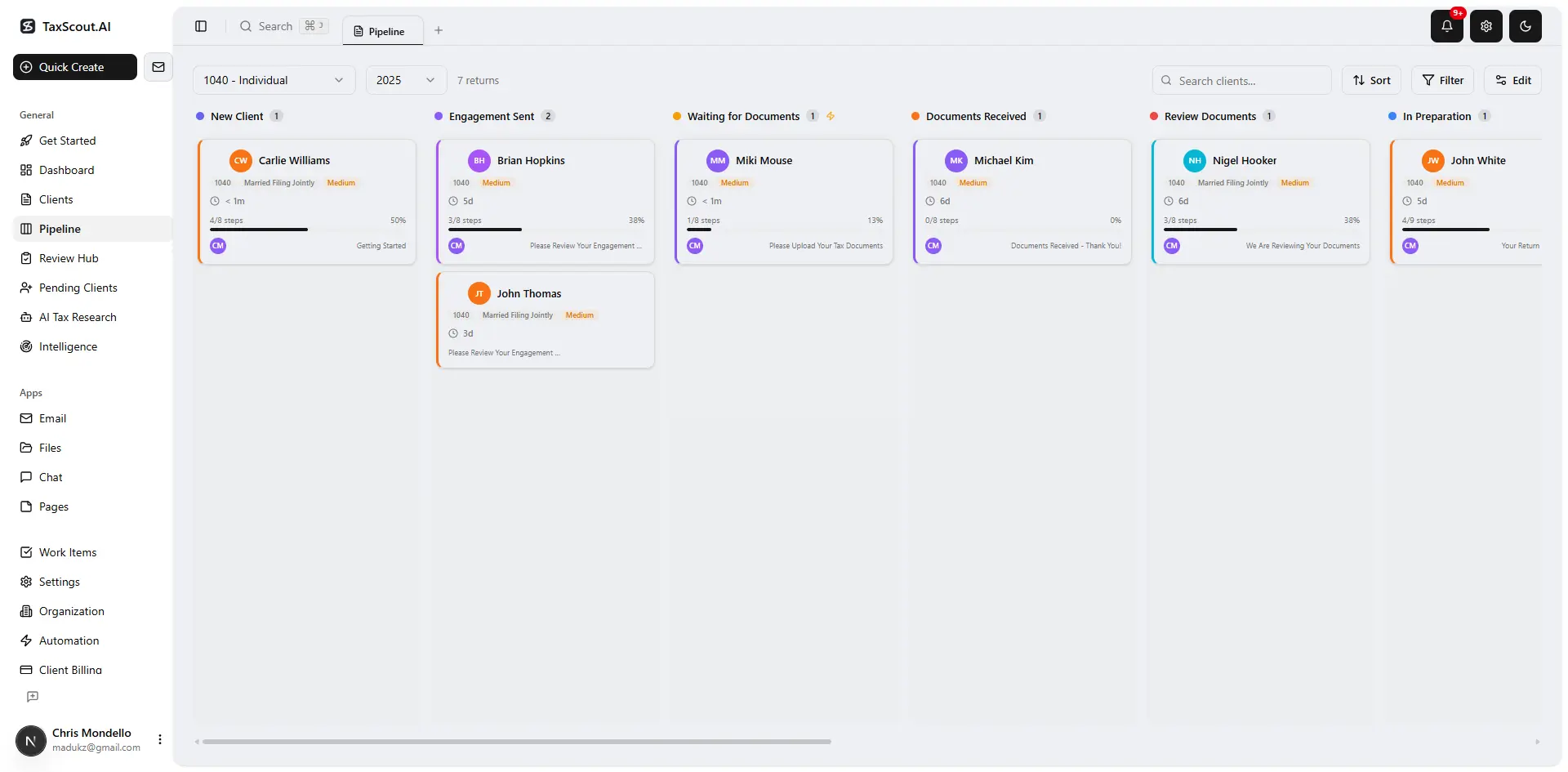
Track every return from intake to filed with drag-and-drop pipeline management
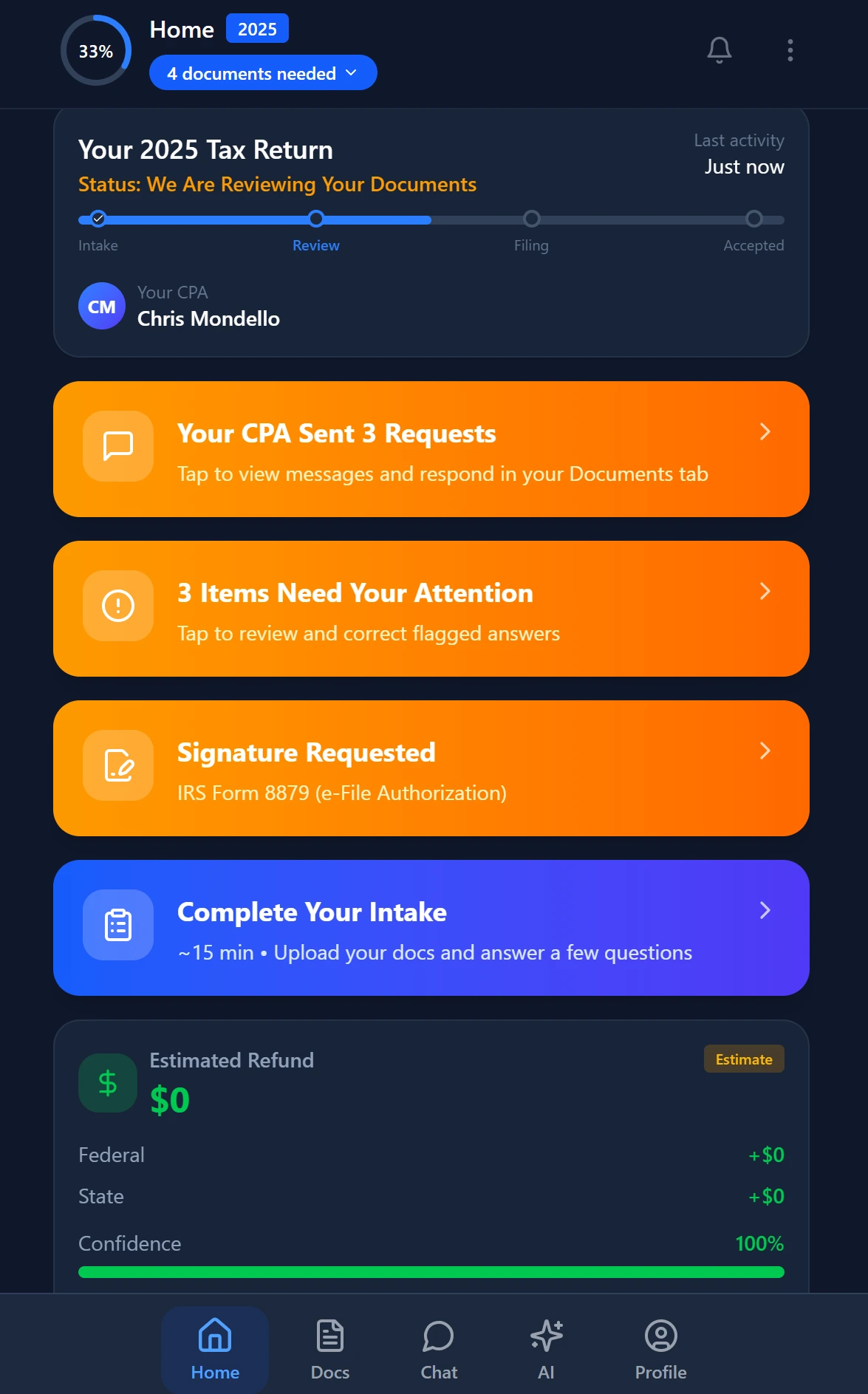
Smart intake auto-fills from uploaded documents and prior-year data
What to Do This Week: A Firm Action Checklist
The following steps are appropriate for any CPA firm with estate and trust clients. Even if you do not currently have an active QDOT file, the checklist helps you document that you reviewed the rule and found no immediate impact — valuable protection if a question ever arises.
1. Pull your QDOT file list. Query your practice management system for any open Form 706 or Form 706-QDT engagements. Flag clients with a noncitizen surviving spouse named in estate documents.
2. Review regulatory citations in your workpapers and checklists. If your firm uses a QDOT compliance checklist or engagement template with hard-coded CFR citations, update those references to the July 10, 2026 final rule. The Federal Register document contains a section-by-section analysis of each amended provision.
3. Notify estate attorneys of record. QDOT elections involve both the tax preparer and the drafting attorney. A brief email to co-counsel noting the regulatory update and your workpaper review closes the loop on your professional obligation.
4. Check your e-signature and filing workflow. If you use electronic signatures for Form 8879-F or related estate filings, confirm your workflow aligns with updated procedural requirements. TaxScout supports e-signatures for estate and trust filings natively, including Form 8879 and engagement letters.
5. Document your review. Add a file note — dated July 2026 — to each active QDOT engagement confirming you reviewed the final rule and identified any required updates. This is basic risk management and mirrors the documentation standard discussed in our cybersecurity and compliance guide.
6. Update your tax research library. If your firm maintains an internal knowledge base or annotated code, add FR Doc. 2026-13925 to your Section 2056A research file. TaxScout's AI Research Agents can query the Federal Register and cross-reference Treasury guidance in real time, reducing the manual tracking burden for your team.
Why This Rule Matters Beyond the Technical Fix
Regulatory housekeeping rules like this one rarely make headlines, but they create professional liability exposure when practitioners miss them. A QDOT election is irrevocable once made and triggers immediate federal estate tax on any disqualifying distribution. Citing a superseded regulation in a compliance memo — even if the substantive outcome is unchanged — is the kind of error that surfaces in malpractice reviews.
More broadly, the July 2026 amendments are part of a pattern: Treasury and the IRS have been systematically updating estate and gift tax regulations that contain pre-digital-era procedural language. The Social Security Administration's parallel effort to modernize beneficiary identification procedures and the Treasury's ongoing regulatory agenda both signal that firms should build a standing process for monitoring final rules, not just proposed ones.
For CPA firms that want to build that monitoring capacity without adding staff hours, purpose-built tax intelligence tools that surface final rules by practice area are now a practical option — not a luxury.

Click any extracted field to see its source highlighted on the original PDF
Primary Source and Further Reading
The controlling document is Revising Qualified Domestic Trust Regulations Under Section 2056A To Update Outdated References and Procedures, Federal Register, July 10, 2026 (FR Doc. 2026-13925). Read the preamble's section-by-section analysis — it is short and identifies every changed provision by CFR section number.
For related 2026 regulatory changes affecting CPA practices, see our coverage of the IRS 1099 reporting threshold update and the IRS tax deadlines CPA firms need to track in 2026. Estate and trust practitioners should also bookmark the Journal of Accountancy's estate planning coverage for commentary as IRS.gov FAQ pages are updated.
If your firm does not have a systematic process for tracking final regulations by practice area, this rule is a good prompt to build one. The cost of missing a procedural amendment in estate tax work — where elections are irrevocable — far exceeds the time investment of a proper monitoring workflow.
Still manually tracking IRS final rules across every practice area?
TaxScout gives CPA firms real-time regulatory monitoring, AI-powered research agents, and a complete estate and trust document workflow — all at a flat monthly rate with no per-user fees.
Frequently Asked Questions
The IRS removed obsolete transitional-period language that applied only to pre-1993 estates, updated cross-references to current Treasury regulations and IRS forms, and modernized procedural language for annual QDOT reporting and withholding. The core election mechanics under Section 2056A are unchanged.
Keep reading
Backdoor Roth IRA: How CPAs Execute the Strategy Without Triggering Pro-Rata Tax
Oct 12, 2026 · 1 min read
Amended FBAR Procedures: How CPAs Correct Foreign Account Errors Without Triggering Penalties
Oct 12, 2026 · 1 min read
Transparency in Coverage Final Rules: What CPA Firms Must Do Now
Oct 12, 2026 · 1 min read
Stay up to date
Get the latest tax tech insights delivered to your inbox.